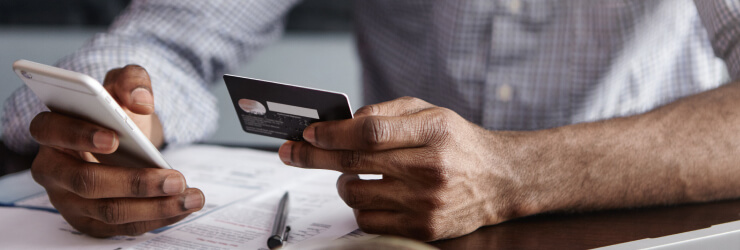
Securing your bank account is one of the most important steps you can take when starting and maintaining your financial security. Every 39 seconds, a hacker attacks personal and business accounts. Is your account secure? Here are a few tips you can use to keep your bank accounts safe.
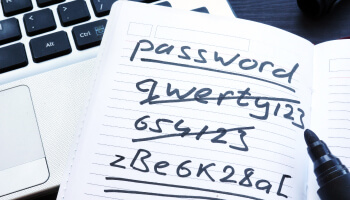
1. Update Passwords
More people than you realize use the same password for multiple platforms including their bank accounts. While it can seem convenient to fall into this bad habit, you should attempt to diversify your passwords to make you less of an easy target when it comes to protecting your finances. By following a few simple guidelines such as using a mixture of capital and lowercase letters, special characters, and numbers, your account won’t be as easy to access. When possible, use a password manager to keep track of your passwords and update them on a regular basis.
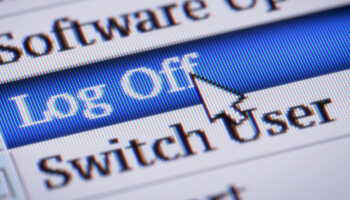
2. Log Out of Other Devices
The average home in the US has 11 connected devices including items like smartphones, tablets, laptops, TVs, and more. For those who work or study on-the-go, they may occasionally log in to devices in other places like libraries, a friend or family member’s device, offices, conference rooms, and hotel computers. That is a lot of devices to be logging into during one’s lifetime. This also means there are more opportunities for someone else to get a hold of your information.
Log out of any other device you do not normally use on a daily basis. In fact, it might surprise you to learn that you can find unauthorized users on popular apps, such as Netflix and Hulu, listed under your account information. While these apps are made for entertainment purposes, they often store critical information like personal payment methods.
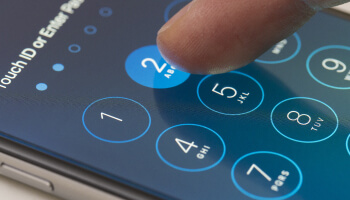
3. Lock Up for Safety
Do everything you can to protect yourself including locking your own personal devices with either touch ID, face recognition, a pin number, or other pattern sequences. While it may take a second or two longer to get into your laptop or smartphone, it’s well worth the added security.
4. Keep Personal and Business Accounts Separate
About 43% of online security attacks are aimed at small businesses. Unfortunately, small businesses cannot always fully recover following these types of attacks. Today, fewer businesses carry cash and other hard assets within their storefronts, making their online accounts more appealing to hackers. Protect yourself and your business by keeping personal and business accounts separate.

5. Review Account Activity
A more hands-on approach to protecting your account includes checking your statements each month to make sure all activity documented is correct. If you notice anything amiss, call your bank immediately to report fraud of any kind. Skipping out on this important step could mean that you have missed out on more money than you realize.
6. Secure Through Online Methods
Do everything you can online to protect yourself from a breach in security. For starters, you should always keep software and apps updated to their latest versions. Next, you can add extra layers of security by turning on any two-step verification devices, which typically includes prompting one to use items like a pin number, text security code, and others. You can even add more verification methods like security questions.
7. Avoid Phishing Emails
Double-check any emails you have received and verify the sender. It can be simple to click on the wrong email or submit personal information to a place you think is safe. If you ever have doubts about a fake email, simply call or visit your bank and verify that the information being sent to you is real.
8. Stay Away from Suspicious Links
It can be tempting to click on an offer that looks too good to be true. However, if any website asks for personal banking information, do not give it to them without first making sure that the website you are on is accredited by a reputable organization like the Better Business Bureau.
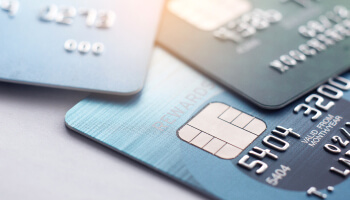
9. Keep Track of Your Card
A good amount of shopping is done online these days. However, it is still important to keep track of any physical debit or credit cards you own. Know where they are at all times and keep them close by even if you use apps like Apple Pay, Samsung Pay, Venmo, Zelle, PayPal or other remote pay apps.

10. Have a Reliable VPN
If you are sitting in a coffee shop or other public place, avoid sharing personal information over shared Wi-Fi networks. Have a trusted virtual private network (VPN) and browse on a more secure connection.
Follow Wallis Bank online and discover our personal and SBA business banking services. Have more questions about your online security? Contact us to learn more about securing your Wallis Bank account.
- Ⓒ Wallis Bank, All rights reserved.
-
 Equal Housing Lender
- Privacy Notice Disclosures