Online shopping has become more popular, especially with annual sales like Cyber Monday and the approaching holidays. Shopping online is easy and convenient, but it can also come with risks, such as identity theft and scams. The FTC (US Federal Trade Commission) received more than 2.8 million fraud reports in 2021, with consumers reporting a combined loss of $5.8 billion. The most common reported category of fraud was imposter scams, followed by online shopping scams. Continue reading for some tips on how to stay safe while online shopping this holiday season.
Shop with Reputable Retailers
Hackers may try to trick you by creating malicious websites that mirror legitimate shopping sites in an attempt to obtain your personal information. Do your research and make sure the website is legitimate and secure before making a purchase. Double-check the URL for misspellings before entering your personal or financial information. Read customer reviews and be cautious of fake reviews. You can also check the Better Business Bureau website to clarify that the vendor is authentic.
Be Cautious of Amazing Deals
If you are scrolling through your Facebook feed and see a sale that looks too good to be true, it probably is. Unusually low prices could lead you to a fake website that has been created to obtain your personal information or steal your money. Sometimes seeing an outrageous sale that requires urgent action can make you think irrationally. Before losing your hard-earned money or your personal information, check that the web address matches the company’s online store and is coming from an actual retailer.
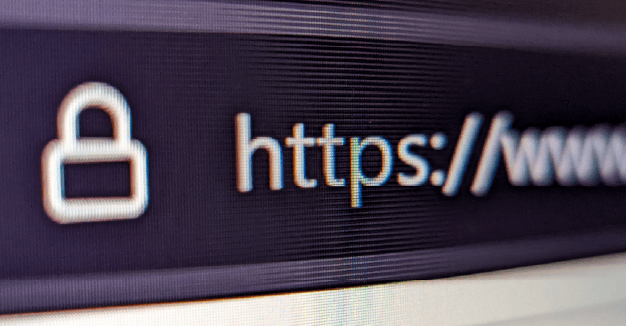
Look for the Lock
An easy way to ensure that you are browsing safe websites is to look for an SSL (Secure Sockets Layer) encryption on the site. This means that the website is using technology that keeps the internet connection secure and safeguards sensitive data that is being sent between two systems. Encryption algorithms scramble the data in transit to make it impossible for hackers to read. You can confirm a website has an SSL by checking that the URL starts with “HTTPS” instead of just “HTTP.” Depending on your browser, an icon of a locked padlock may also appear on the left of the URL on the address bar.
Don’t Shop on Public Wi-fi
Using public wi-fi can be dangerous, especially while online shopping and entering your personal information. It is a good practice to avoid public wi-fi all together, as these networks are less secure and are accessible to hackers. Also, be aware of the people around you while shopping online in public. Someone could be looking over your shoulder as you enter your credit card information while sitting in a public cafe, hotel, or airport. Use a Virtual Private Network (VPN) or your phone’s personal hotspot if you choose to make purchases away from your secure network at home.
Pay with a Credit Card, Apple Pay, or Google Pay
Since credit cards have more fraud protection and limits than debit cards, it is safer to use a credit card when online shopping. Debit cards draw money directly from your bank account, so you may be financially responsible if there are unauthorized charges on your debit card.
Did you know that paying with your mobile device via Apple Pay or other similar payment methods is more secure than using your credit card? These features use a device-specific number and a unique transaction code, so your card information is never stored on the device. When using these features for in-store or online purchases, your information is not shared to the merchants. Instead, the merchant receives a unique encrypted number for the transaction.
The holidays, and therefore the busiest season for shopping, are approaching and this time should be filled with generosity and joy, not a stolen identity or a wiped-out bank account. Remember these tips while you are shopping online for holiday gifts. Hackers don’t take a break, so don’t forget to put these tips to use as you shop online throughout the year!
- Ⓒ Wallis Bank, All rights reserved.
-
 Equal Housing Lender
- Privacy Notice Disclosures